You weren’t supposed to demand respect. You were supposed to be grateful for the chance.
There was a time—clearly visible in hindsight, though nearly invisible at the time—when simply being looked at by Hollywood was presented as an honor. Not a right. Not a fair outcome of talent. But a rare privilege, bestowed from on high by nameless executives in corner offices. If you were cast, you were lucky. If your project got greenlit, you were blessed. If you voiced concerns? You were difficult. Ungrateful. Replaceable.
This mindset wasn’t accidental. It was structural. And it ruled the industry—especially in adaptation, franchise casting, and digital character creation—until a cultural reset forced it to blink. That reset? The Sonic the Hedgehog redesign of 2019.
The Culture of Gratitude in Pre-Sonic Hollywood
Before the internet could mobilize millions overnight, studios operated in relative isolation. Feedback filtered through trade magazines, test screenings, and agent negotiations. Audiences had little direct influence. That power imbalance created a culture where access was currency—and gratitude was the expected tax.
Actors, especially those from marginalized backgrounds, were routinely told they were “lucky” to be cast in supporting roles, even when they carried the project. Writers were told “no one asked for this story,” despite years of underground fandom. Creators of color, queer creators, women—often had to fight just to be seen, let alone trusted with creative control.
And when it came to adaptations? The assumption was that the source material existed to be mined, not respected. Fans weren’t stakeholders. They were nuisances. Or worse—unrealistic purists who didn’t understand “how movies work.”
“You’re so lucky Hollywood is even looking at you.” — A refrain whispered (or outright stated) to actors, creators, and fans alike.
This wasn’t just about ego. It was about control. The message was clear: We decide what gets made. We decide who gets heard. Be thankful you’re included.
How Character Design Reinforced the Hierarchy
Nowhere was this power dynamic more visible than in early digital character design.
Remember the original Sonic the Hedgehog movie trailer? Released in 2019, it featured a humanoid Sonic with human teeth, dead eyes, and a smirk that haunted the internet. The backlash was instant and brutal. But more than the design itself, it revealed something deeper: Hollywood had stopped listening.
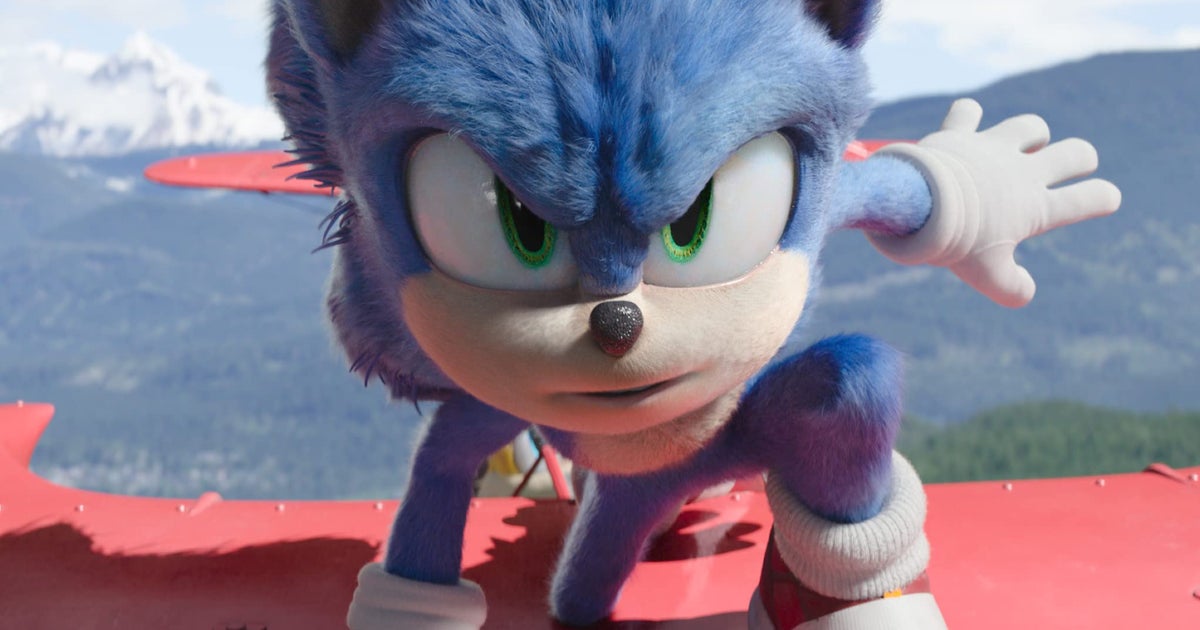
Sonic wasn’t just a character. He was a legacy. A childhood icon for millions. To redesign him without regard for his visual language—with teeth on a cartoon hedgehog—wasn’t just a misstep. It was a metaphor.
The studio assumed fans would accept it. Because they always had.
This was the same logic applied to casting decisions (white actors in culturally specific roles), script changes (erasing queer subtext), and narrative flattening (turning complex antiheroes into quip machines). The assumption? Audiences don’t know better. They should be grateful for anything.
But Sonic’s teeth changed that.
The Fan Backlash That Broke the Script
The response to the original Sonic design wasn’t just negative—it was coordinated, widespread, and impossible to ignore. Memes flooded Twitter. Editorials ran in mainstream outlets. Even non-gamers weighed in. The tone wasn’t just disappointment. It was betrayal.
And then something unexpected happened: Paramount listened.

They delayed the film. They brought in Sega for creative collaboration. They completely redesigned Sonic—smoother, cuter, more faithful to the games.
For the first time in modern Hollywood history, a studio publicly reversed course because of fan outcry.
And in doing so, they shattered the old paradigm. The message was no longer “you should be grateful we’re making this.” It became “we’re making this for you.”
When “Lucky to Be Seen” Turned Into Creative Leverage
The Sonic moment didn’t just save a movie. It shifted power.
After 2019, studios began treating fanbases not as passive consumers, but as active participants. We saw it in:
- The Flash (2023): References to fan-favorite alternate costumes, despite mixed reviews
- The Mandalorian: Heavy use of Baby Yoda (Grogu) after viral popularity
- Morbius: Meme culture overtook marketing, showing even failures could spark engagement
- Super Mario Bros. Movie (2023): Bright, faithful designs, no human teeth in sight
More importantly, creators began asserting ownership. Actors pushed back on exploitative contracts. Writers demanded authenticity in adaptations. Fans organized letter-writing campaigns, social media strikes, and crowdfunding for passion projects.
The “you’re so lucky” mentality didn’t vanish overnight. But it was exposed as archaic. Fragile. And ultimately, bad for business.
Case Study: The Difference a Redesign Makes
Let’s compare two approaches—one pre-Sonic, one post.
Pre-Sonic Example: Alice in Wonderland (2010) Tim Burton’s take was financially successful but critically divisive. Fans of Lewis Carroll’s original work criticized the muddled plot and edgy tone. Yet, no changes were made. The studio stance? “This is our vision.” No room for dialogue. No concession.
Post-Sonic Example: The Super Mario Bros. Movie Illumination and Nintendo collaborated closely. The animation style mirrored the games. Voice casting matched expectations (Chris Pratt as Mario, despite controversy, was at least attempting broad appeal). The film embraced its legacy rather than redefining it.
One treated fans as intruders. The other treated them as guests of honor.
Why the “Gratitude Trap” Still Lingers
Despite the shift, remnants of the old mindset persist.
Actors still face “be grateful” pressure when speaking out about unsafe working conditions. Writers of color are told their stories “aren’t commercial enough.” Franchise reboots continue to erase queer representation under the guise of “broad appeal.”
And some studios still operate under the assumption that control equals authority.
But now, there’s pushback.
When The Little Mermaid cast Halle Bailey, critics whined about “ruining childhoods.” The response? Millions of young Black girls saw themselves in a classic tale. The film grossed over $569 million. The old guard lost the argument.
When Sonic 2 succeeded, it wasn’t because fans were lucky. It was because they were heard.
How Power Dynamics Are Evolving Behind the Scenes
The change isn’t just on screen. It’s in the rooms where deals are made.
- More creators are securing approval rights over casting and design
- Fans are being consulted during development (e.g., DC’s outreach to fans pre-Superman: Legacy)
- Crowdfunded projects like Minecraft: The Movie rumors now include “no human teeth” jokes as a baseline expectation
Even contract language is shifting. “Creative consultation” clauses are no longer rare. Profit participation is being demanded. And social media presence is now a leverage point—actors with millions of followers can’t be easily replaced.
Hollywood still holds power. But it’s no longer absolute.
The New Rule: Respect, Not Just Access
The lesson from the pre-Sonic era isn’t just about character design. It’s about respect.
Being “lucky to be seen” only works when one side holds all the cards. But in an age of viral backlash, algorithmic reach, and fan-driven campaigns, that monopoly has cracked.
Today, the studios that succeed aren’t the ones who gatekeep. They’re the ones who collaborate.
They know fans aren’t just an audience. They’re co-creators.
They understand that a character’s legacy matters more than a shortcut to edginess.
And they’ve learned—sometimes painfully—that gratitude shouldn’t be demanded. It should be earned.
Move Forward With Leverage, Not Permission
You don’t need to be grateful just to be in the room. You belong there because you care. Because you create. Because you show up.
Whether you’re a fan, a writer, an actor, or a developer: your voice has weight. Use it.
Demand fidelity. Demand inclusion. Demand better design.
And the next time someone says, “You’re so lucky Hollywood is even looking at you,” remember: Sonic had teeth. And the world said no.
Now it’s your turn to be heard.
FAQ
Why was the original Sonic design so controversial? The 2019 design gave Sonic human-like teeth, eerie eyes, and a more realistic look that clashed with his cartoon roots, alienating fans who saw it as a betrayal of the character’s identity.
Did fan backlash really change the Sonic movie? Yes. Paramount delayed the film, redesigned Sonic to be more faithful to the games, and collaborated closely with Sega—a rare reversal in Hollywood.
Was the “gratitude culture” only about actors? No. It affected writers, directors, crew, and fans. Marginalized creators often faced the brunt, being told they were “lucky” to be included in projects.
How has fan power changed Hollywood decisions? After Sonic, studios became more cautious about alienating fanbases. Projects now often include fan consultation, legacy respect, and social media responsiveness.
Are there other examples of fan-driven changes? Yes. Justice League (2017) saw massive campaigns for the “Snyder Cut,” which HBO eventually released. Morbius memes reshaped its online presence despite poor reviews.
Did the Sonic redesign improve the movie’s performance? Sonic the Hedgehog (2020) earned over $319 million worldwide and positive audience scores, with many crediting the redesign for rebuilding trust.
Is Hollywood still resistant to feedback? Some corners remain stubborn, especially in legacy reboots or controversial casting. But outright dismissal is riskier now—public perception can make or break a film.
What mistakes should you avoid? Avoid generic choices, weak validation, and decisions based only on marketing claims.
What is the next best step? Shortlist the most relevant options, validate them quickly, and refine from real-world results.