Choosing the right approach to images of people in heaven starts with clear context, practical filters, and realistic expectations.
Introduction to Heaven Imagery
The concept of heaven has been a cornerstone of human spirituality and religious beliefs for centuries, with various cultures and faiths depicting it in unique and fascinating ways. At the heart of these depictions are images of people in heaven, showcasing the divine, the blessed, and the serene. These images not only reflect the artistic and theological perspectives of their time but also offer a glimpse into the human aspiration for an afterlife of peace and happiness.
Historical Depictions of Heaven
Historically, images of people in heaven have been influenced by the dominant religious and artistic trends of their era. In Christian art, for example, heaven is often depicted as a realm where the righteous dwell in the presence of God, with saints, angels, and the blessed gathered around the throne of heaven. The works of artists like Michelangelo and Raphael are iconic in this regard, with their frescoes in the Sistine Chapel presenting vivid and powerful images of heavenly scenes.
Influence of Renaissance Art The
Renaissance period saw a significant resurgence in the depiction of heavenly scenes, with artists focusing on the beauty and grandeur of the divine. Images from this era often feature people in heaven in states of ecstasy, worship, and joy, surrounded by angels, cherubs, and other celestial beings. The use of light, color, and composition created a sense of depth and emotion, drawing the viewer into the heavenly realm.
Cultural Variations The depiction of people in heaven varies significantly across different cultures and religions. In
Islamic art, for instance, heaven is often represented as a lush garden filled with beautiful trees, rivers, and palaces, where the righteous will live in peace and luxury. The emphasis is on the tranquility and beauty of the afterlife, with people in heaven shown to be living in harmony with nature and each other.
Eastern Perspectives In

Eastern religions such as Buddhism and Hinduism, the concept of heaven is more complex and multifaceted. Images of people in heaven may depict various levels of existence, from the earthly realm to higher states of consciousness and spiritual enlightenment. The emphasis here is on the journey of the soul towards liberation, with heavenly states representing different stages of spiritual evolution.
Artistic Representations The
artistic representation of people in heaven has evolved over time, reflecting changes in artistic styles, theological interpretations, and cultural influences. From the intricate mosaics of Byzantine art to the majestic frescoes of the Renaissance, each era has contributed its unique perspective to the depiction of the heavenly realm.
Digital Age Representations In the
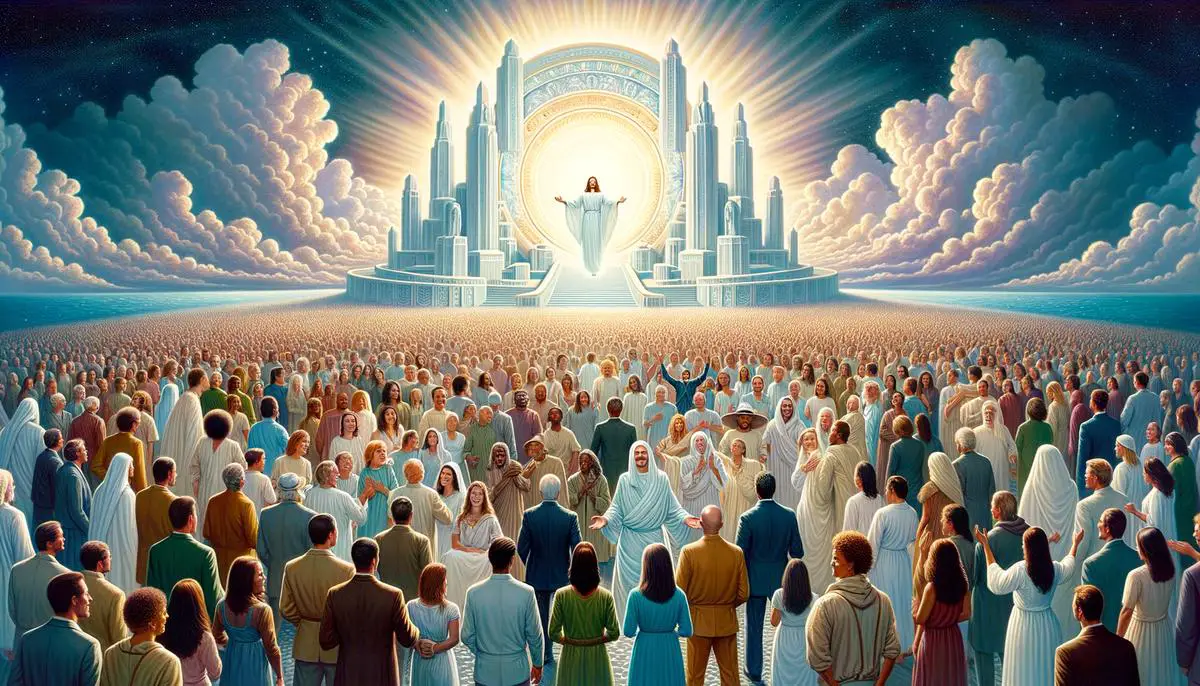
digital age, images of people in heaven continue to evolve, with digital art and photography offering new mediums for expression. Modern artists can now create stunning visualizations of heavenly scenes, from realistic portrayals of biblical accounts to more abstract and conceptual representations of the afterlife.
Symbolism and Interpretation Images of people in heaven are rich in symbolism, often carrying deep theological and philosophical meanings.
Angels, for example, symbolize divine messengers and guardians, while the depiction of light and color can represent the presence of God or the purity of the soul. Understanding these symbols is crucial for interpreting the artwork and grasping the intended message.
Common Symbols
- Light: Often represents divine presence, truth, and spiritual enlightenment.
- Angels: Symbolize protection, guidance, and divine intervention.
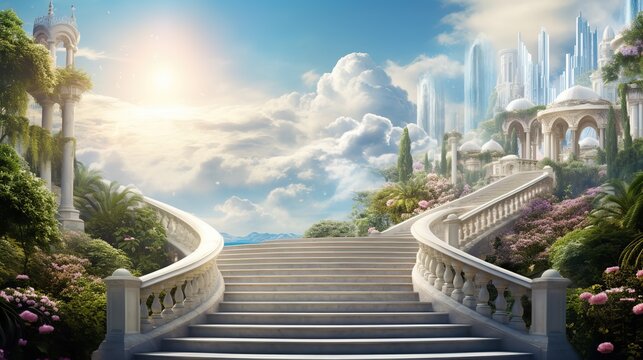
- Gardens and Rivers: Represent peace, abundance, and the beauty of paradise.
Practical Applications
- For those interested in exploring images of people in heaven, whether for artistic, theological, or personal reasons, there are several practical steps to take:
- Study Art History: Understanding the historical context and artistic movements behind heavenly depictions can enrich one's appreciation of the subject.
- Explore Religious Texts: Reading religious texts and scriptures can provide insights into the theological underpinnings of heavenly imagery.
- Visit Museums and Galleries: Seeing artworks in person can offer a more profound experience and appreciation of the artist's craft.
Tools for Exploration
For those looking to create or explore digital images of people in heaven, several software options are available: - Adobe Photoshop: A powerful tool for editing and creating digital art. - SketchUp: Useful for creating 3D models of heavenly landscapes and architecture. - Bible Gateway: An online resource for studying religious texts and scriptures. - Google Arts & Culture: Offers a vast collection of artworks and exhibitions related to heavenly depictions. - DeviantArt: A community platform where artists share their work, including digital art related to spiritual and heavenly themes.
Conclusion
Images of people in heaven serve as a window into human imagination, spirituality, and the quest for understanding the afterlife.
Through art, culture, and theology, these depictions continue to inspire, comfort, and challenge us. Whether as a subject of artistic expression, a tool for theological exploration, or a source of personal comfort, the concept of people in heaven remains a profound and enduring aspect of human culture.
FAQs
- Q: What are common themes in images of people in heaven?
- A: Common themes include peace, joy, worship, and the presence of divine beings such as angels and God.
- Q: How do different religions depict heaven?
- A: Each religion has its unique depiction of heaven, reflecting its theological beliefs and cultural influences.
- Q: What role does art play in depicting heaven?
- A: Art has played a significant role in depicting heaven across cultures and centuries, offering visual representations of theological concepts.
- Q: Can I create digital images of people in heaven?
- A: Yes, with the help of digital art software and online resources, anyone can create their own interpretations of heavenly scenes.
- Q: Where can I find images of people in heaven?
- A: Images can be found in art museums, religious texts, and online platforms dedicated to art and spirituality.
- Q: What is the significance of light in heavenly depictions?
- A: Light often symbolizes divine presence, truth, and spiritual enlightenment.
- Q: How can understanding images of people in heaven influence my spiritual journey?
- A: It can deepen your understanding of theological concepts, provide comfort, and inspire spiritual reflection and growth.